YYou are driving as usual. Maybe the car felt slightly off, or maybe everything seemed normal. Then suddenly, it stalls. You try to restart it, but nothing happens. You may hear a click, or you may hear nothing at all. Then someone says the words no driver wants to hear: “Your engine is locked up.”
That can feel overwhelming. But before you panic or assume the worst, it helps to understand what is actually happening inside your engine.
At Red Fox Auto Care in Abu Dhabi and Red Fox Auto Care in Ras Al Khaimah, we often inspect vehicles with starting problems, overheating issues, and serious engine damage. In many cases, drivers think the engine has completely failed when the actual problem turns out to be something different.
Seized Engine vs Locked Engine: What Is the Difference?
Many people use the terms seized engine and locked engine as if they mean the same thing. They do not always describe the same problem.
A seized engine usually means internal engine parts have stopped moving because of severe damage. This often happens when the engine loses lubrication or overheats. Parts like the pistons, crankshaft, or bearings can grind together, expand, or break. When that happens, the engine cannot turn properly.
A locked engine, on the other hand, can sometimes result from an external or temporary issue. Water inside the cylinders can cause hydrolock. A broken timing belt, failed pulley, or jammed accessory can also stop the engine from turning. In these situations, the engine may still be repairable without full internal damage.
This difference matters because the repair path, cost, and risk can change completely depending on the cause.
Signs Your Engine May Be Seized
A seized engine often gives warning signs before it fails completely. Some drivers notice them early, while others only realize something is wrong after the car stops.
Here are some common symptoms:
1. Loud Knocking or Clunking Noise
If you heard a loud bang, knock, or grinding sound before the engine stopped, internal parts may have failed.
2. The Engine Will Not Turn Over
When you try to start the car, the engine does not crank. You may hear a single click or complete silence.
3. Burning Smell
A strong burning smell can point to overheated oil, metal friction, or severe engine heat.
4. Warning Lights Came On Earlier
Oil pressure and engine temperature warning lights often appear before major engine damage happens. Ignoring them can lead to engine seizure.
5. The Crankshaft Will Not Move
If a technician tries to turn the crankshaft manually and it does not move at all, the engine may have seized.
These signs do not confirm total engine failure on their own, but they do signal a serious problem that needs immediate inspection.
What Causes an Engine to Seize?
Engines do not seize without a reason. In most cases, the damage builds up over time or happens after one major failure.
Low Engine Oil
Low oil level remains one of the most common causes of engine seizure. Oil reduces friction and protects internal metal parts. Without enough oil, those parts rub directly against each other and create extreme heat.
Oil Circulation Problems
Sometimes the engine has oil, but the oil does not circulate properly. Sludge, clogged oil passages, or a failing oil pump can block the flow and starve critical components.
Overheating
When an engine overheats, metal parts expand beyond their normal limits. That expansion can cause internal parts to bind, warp, or lock together.
Dirty or Neglected Oil
Old oil loses its protective quality. If you skip oil changes for too long, the oil can thicken and form sludge. That sludge can block lubrication and damage the engine.
Hydrolock
If the engine pulls water into the cylinders, the pistons cannot compress it. That can stop the engine instantly and bend internal parts.
Internal Mechanical Failure
A broken connecting rod, damaged bearing, or failed crankshaft can stop the engine without warning.
At Red Fox Auto Care in Abu Dhabi and Red Fox Auto Care in Ras Al Khaimah, we inspect these root causes carefully before we recommend any repair or replacement.
Could the Engine Be Locked but Not Seized?
Yes, and that is why proper diagnosis matters.
A locked engine does not always mean catastrophic internal damage. In some cases, an outside component stops the engine from turning.
For example:
- A seized alternator can stop belt movement
- A broken timing belt can interrupt engine rotation
- A jammed pulley can create resistance
- Water entry can temporarily lock the engine
These issues can look severe, but some of them have more affordable repair options than a fully seized engine.
How to Check If the Engine Is Seized or Locked
You do not need to perform a full teardown to spot early clues. A few basic checks can help identify the problem.
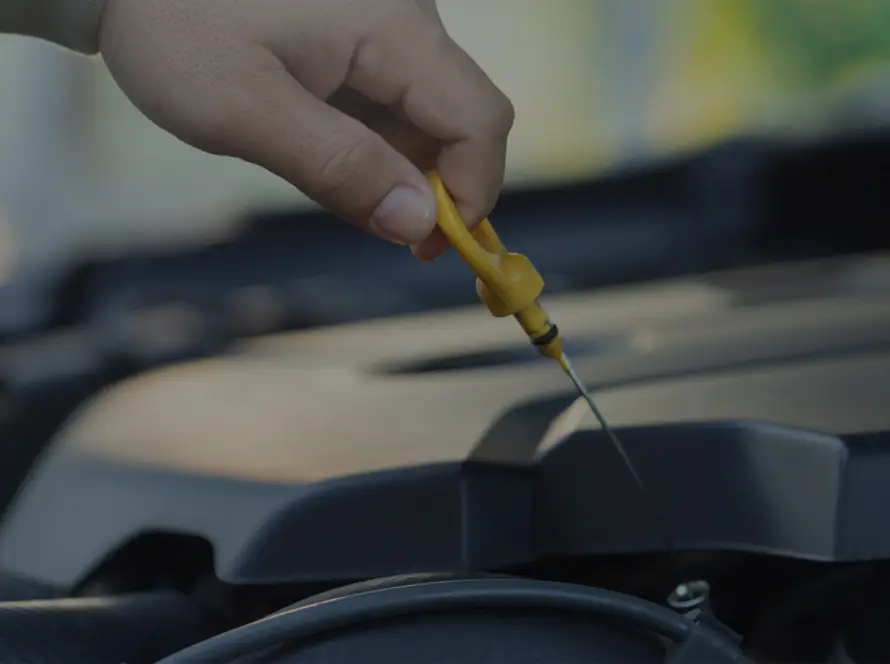
Check the Engine Oil
Look at the oil level and condition. If the oil looks metallic, dirty, or extremely low, internal damage may have started.
Try to Turn the Crankshaft
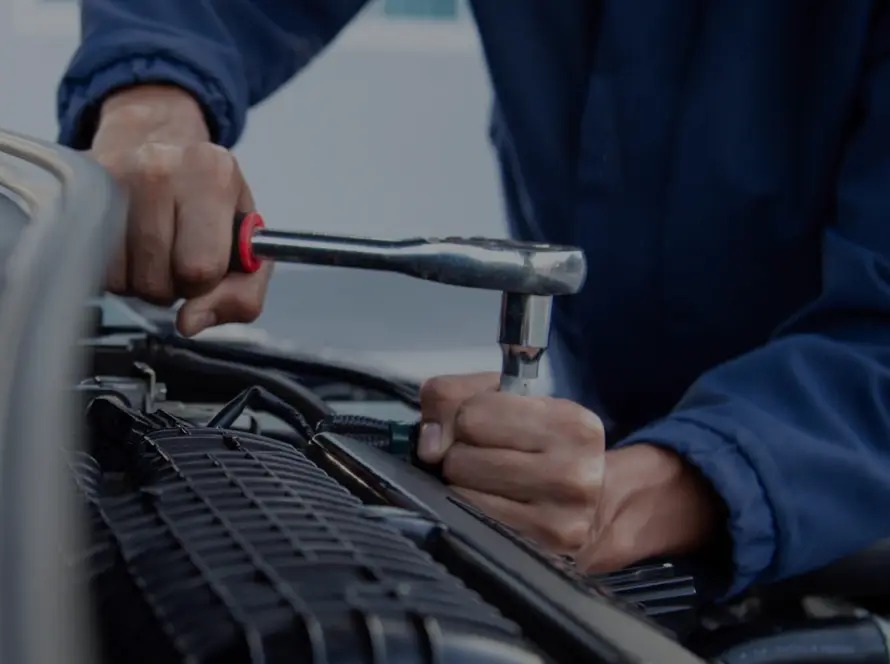
A technician can use the correct tools to turn the crankshaft by hand. If it refuses to move, the engine may have seized or locked internally.
Inspect the Spark Plugs
Removing the spark plugs can reveal oil or water inside the cylinders. That can point to hydrolock or internal leakage.
Test the Battery and Starter
A weak battery or faulty starter motor can mimic engine seizure. You should rule out these simpler causes first.
Listen During Start Attempts
Complete silence, a single click, or harsh grinding sounds can each point to different problems. The sound pattern matters.
A professional inspection gives the clearest answer. At Red Fox Auto Care, our technicians use proper diagnostic steps to determine whether the problem comes from internal engine damage or from another failed component.
Can You Fix a Seized or Locked Engine?
The answer depends on the cause and the extent of the damage.
If the issue involves hydrolock, a broken belt, or a seized external component, the engine may return to service after targeted repairs.
If the engine has truly seized, the repair becomes much more serious. You may need:
- Internal engine repair
- Partial engine rebuild
- Full engine rebuild
- Complete engine replacement
The right option depends on the vehicle’s condition, market value, and the cost of repair compared with replacement.
Repair Costs and Replacement Options
Repair costs can vary widely based on the vehicle and the type of damage.
Minor Repairs
If water entered the engine or a belt or pulley caused the lock-up, repairs may stay relatively affordable.
Moderate Engine Repairs
If one or two internal parts suffered damage, the engine may need partial disassembly and component replacement.
Major Engine Repairs or Replacement
If the pistons, bearings, crankshaft, or cylinder walls suffered severe damage, you may need a rebuild or full engine replacement.
Older vehicles need extra consideration. If the car already has high mileage, recurring issues, or low resale value, spending heavily on engine repair may not make financial sense.
A trusted workshop should explain all options clearly before starting major work.
Do Not Ignore Early Warning Signs
Most engine failures do not happen without warning. Drivers often notice small signs first and delay action.
Watch for:
- Low oil pressure warnings
- Rising engine temperature
- Knocking sounds
- Rough performance
- Smoke or burning smells
- Loss of power
Fast action can sometimes prevent a complete engine seizure. A simple inspection at the right time may save you from a much bigger repair bill later.
Why Professional Diagnosis Matters
When your engine locks up, guessing can cost you money. Replacing the battery, starter, or other parts without proper testing may not solve the problem.
A skilled workshop should inspect the engine carefully, identify the real cause, and explain the repair options honestly. That is exactly what we do at Red Fox Auto Care in Abu Dhabi and Red Fox Auto Care in Ras Al Khaimah.
Our team checks the engine condition, oil system, cooling system, starting system, and related components before recommending the next step. We focus on clear diagnosis so you can make the right decision for your car.
Final Thoughts
A locked or seized engine is one of the most stressful car problems any driver can face. Still, it does not always mean the engine is beyond repair.
The key is to understand the cause quickly. A true seizure often points to major internal damage. A lock-up may come from water entry, a broken belt, or another mechanical issue that you can still fix.
If your car will not crank, overheated recently, or stopped suddenly with unusual noises, do not keep trying to start it. Get it inspected by professionals who can identify the problem correctly.
At Red Fox Auto Care in Abu Dhabi and Red Fox Auto Care in Ras Al Khaimah, we help drivers diagnose serious engine problems with honesty and care. Whether your engine needs a repair, rebuild, or replacement, our team can guide you through the next step with clarity.
FAQs
1. What causes an engine to seize while driving?
An engine can seize while driving due to a lack of lubrication, overheating, or internal mechanical failure such as a broken piston or connecting rod. Even if oil is present, can an engine seize with oil in it? Yes — poor oil circulation, contaminated oil, or internal component damage can still lead to engine seizure.
2. Can an engine lock up and then unlock itself?
Yes, in some cases. An engine may temporarily lock up due to overheating or hydraulic lock, then unlock once it cools down or pressure equalizes. However, repeated instances may indicate deeper issues that need professional inspection.
3. What’s the cheapest way to unseize an engine?
The most affordable method is to remove the spark plugs and pour penetrating oil into the cylinders, allowing it to soak before attempting to turn the engine manually with a breaker bar. This can work for minor seizures caused by lack of lubrication or long-term disuse.
4. Can I pour oil into a seized engine to fix it?
You can add oil, but it’s rarely a complete fix. If the engine is dry or has been sitting for a long time, oil might help loosen components. However, pouring oil won’t restore functionality if the issue is mechanical damage or severe wear.
5. How do I know if it’s the starter or a seized engine?
Try manually turning the crankshaft using a wrench. If it rotates, the starter may be faulty. If it doesn’t move at all, the engine might be seized. Listen for clicking sounds or complete silence when turning the key—these are also indicators.